



No documents available yet.
Case reports
Where the protocol meets the patient.
Treatments performed by clinicians using HighQCell in routine practice — across wound care, orthopedics, and beyond.
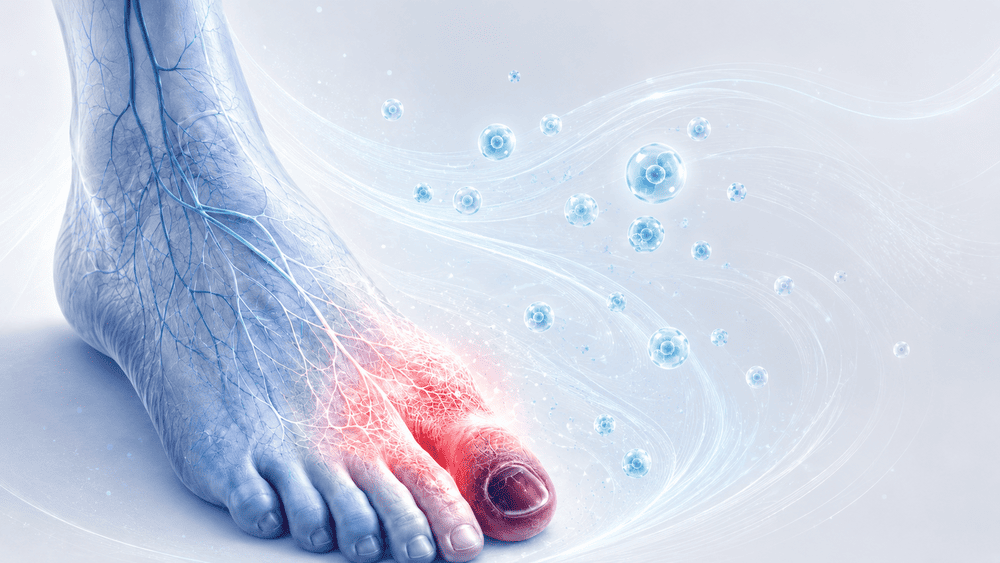
Raynaud’s Syndrome and PAD Treated with E-PRP and CGF
An 80-year-old patient with Raynaud’s syndrome, bilateral peripheral arterial disease and previous contralateral toe amputations presented with severe ischemic pain and acral progression of the left big toe. Three E-PRP and CGF applications helped avoid amputation, with complete resolution at 10 months and no recurrence at follow-up.
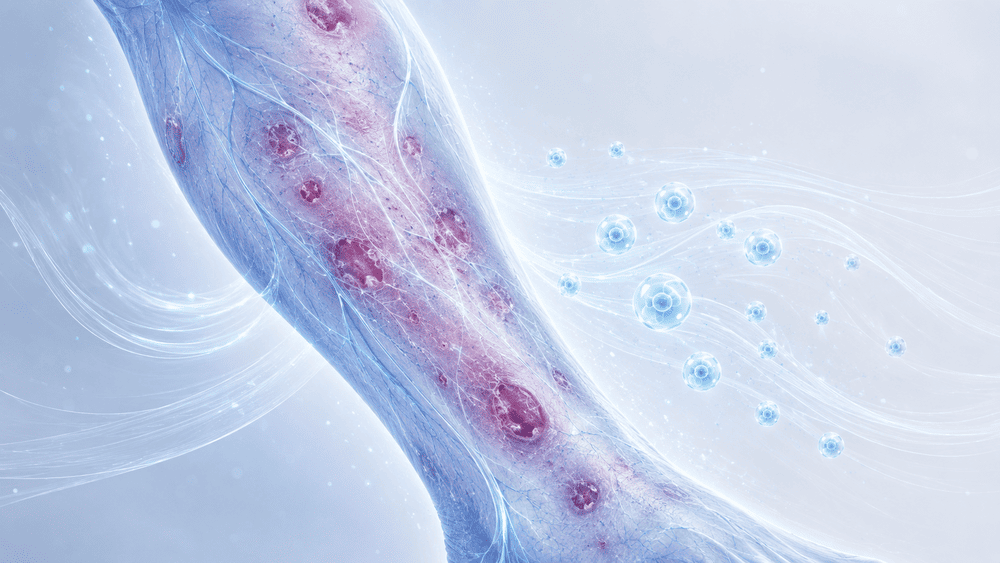
Persistent Vasculitic Lesions Resolved with E-PRP and CGF
An 86-year-old fragile patient with recurrent vasculitic ulcers had remained unresolved after 22 months of standard treatment, bioengineered grafts and hyperbaric oxygen therapy. After one E-PRP and CGF application, the lesion resolved in 46 days, became pain-free and remained recurrence-free at follow-up.
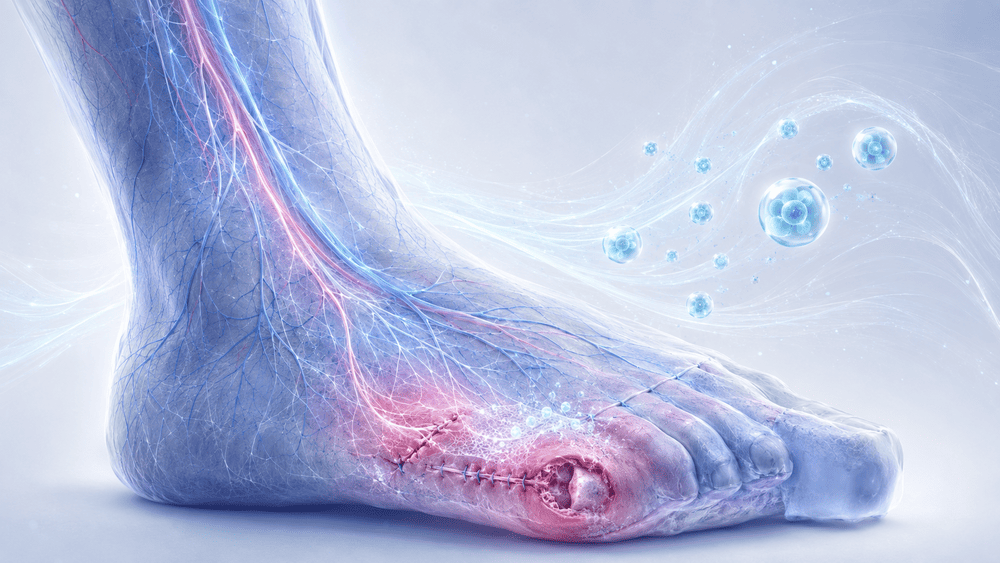
Foot Salvage After Surgical Site Infection
A fragile diabetic patient developed surgical site infection and wound dehiscence after transmetatarsal amputation, with exposed bone and high risk of major amputation. Three E-PRP and CGF applications, combined with surgical revision and standard infection control, led to case resolution within 10 weeks and stable scarring at six-month follow-up.
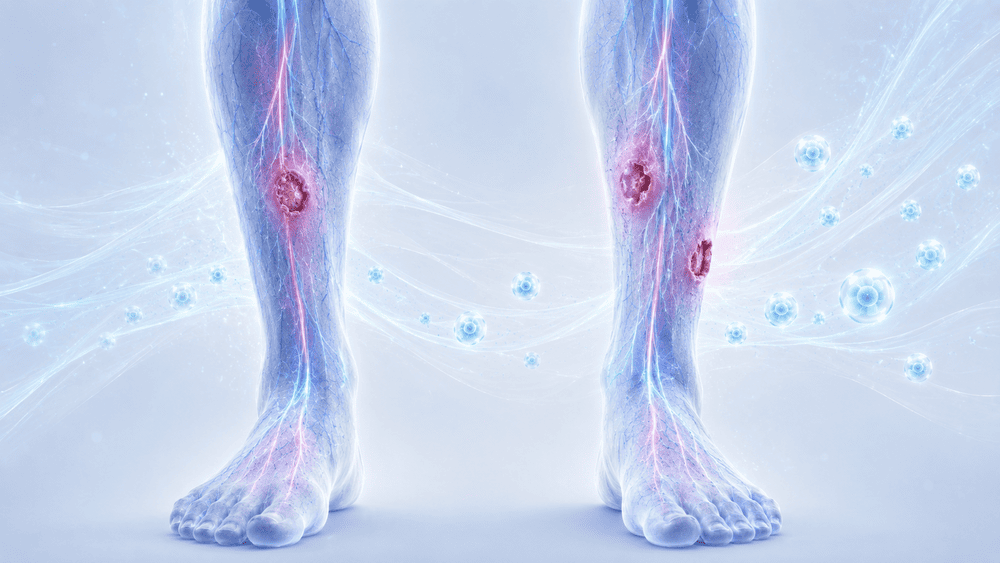
Multiple Vascular Ulcers Treated with E-PRP
An 80-year-old patient with multiple recurrent lower-limb ulcers was reevaluated after poor response to previous treatment, revealing bilateral arterial disease. After revascularization syndrome worsened the lesions, E-PRP combined with a porcine dermal graft led to an 85% area reduction at 12 weeks, near-fivefold TcPO₂ improvement, pain reduction and recovery of independence.
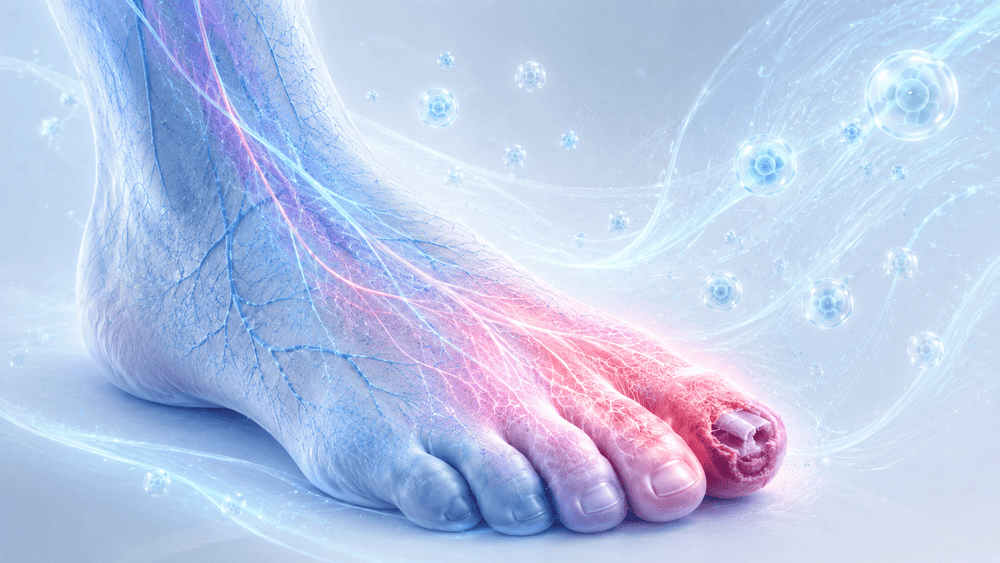
Big Toe Preservation After Crush Syndrome in Diabetic Foot
A 57-year-old diabetic patient with severe psychiatric fragility presented with a chronic post-traumatic big toe wound, exposed tendon and high amputation risk. Two E-PRP and CGF applications led to wound resolution within six weeks, pain reduction and preservation of the toe.
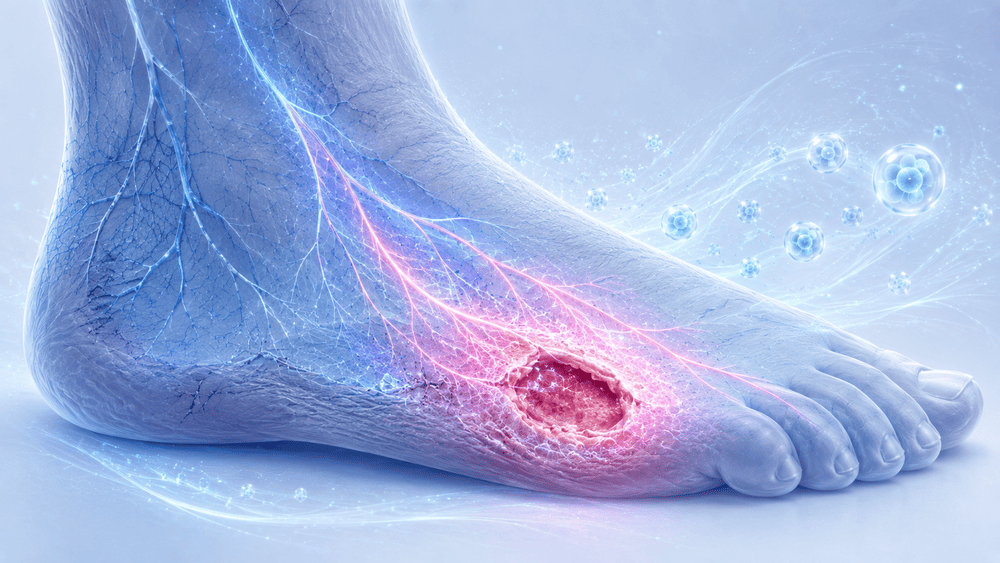
Recurrent Arterial Ulceration Resolved in Non-Revascularizable PAD
An 89-year-old fragile patient with severe non-revascularizable peripheral arterial disease returned with a painful recurrent ulcer after a previous limb-salvage episode. Two E-PRP and CGF applications led to complete clinical resolution within two months, with pain relief and improved oxygenation.
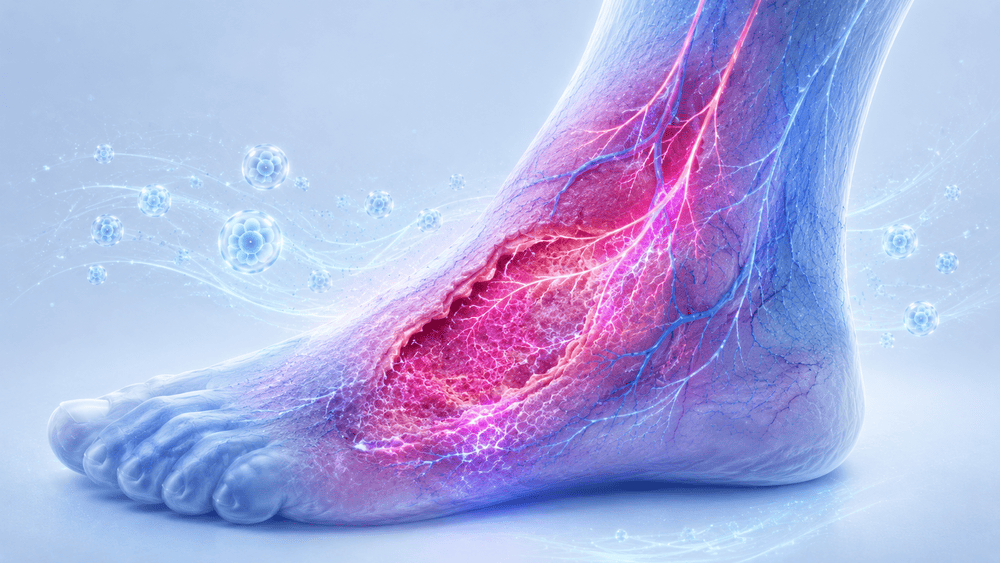
Diabetic Foot Arteriopathy Treated with E-PRP and CGF
A 66-year-old diabetic patient with severe heart disease and recurrent lower-limb ulcers was treated with E-PRP and CGF after revascularization complications worsened the lesion. Over six months, the wound area decreased by 90%, pain disappeared, and normal motor activity resumed.
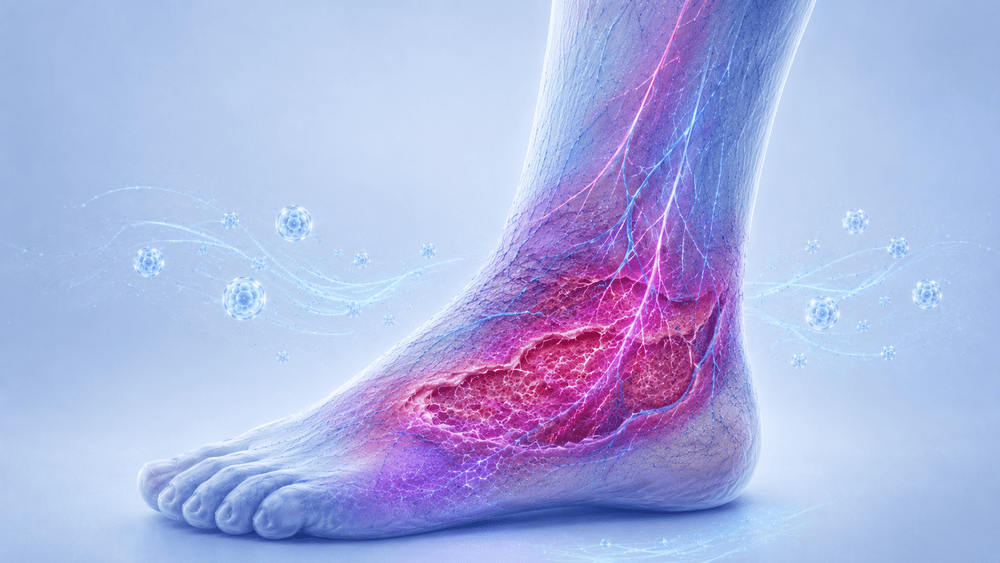
Limb Salvage in a Complex Mixed Ulceration Case
An 83-year-old leukemic patient with severe non-revascularizable peripheral arterial disease and a large recurrent mixed ulcer was treated with PBMNC therapy. After PRP and subsequent E-PRP applications, pain resolved, oxygenation improved, and the lesion decreased to 4.15 cm² while limb salvage was achieved.
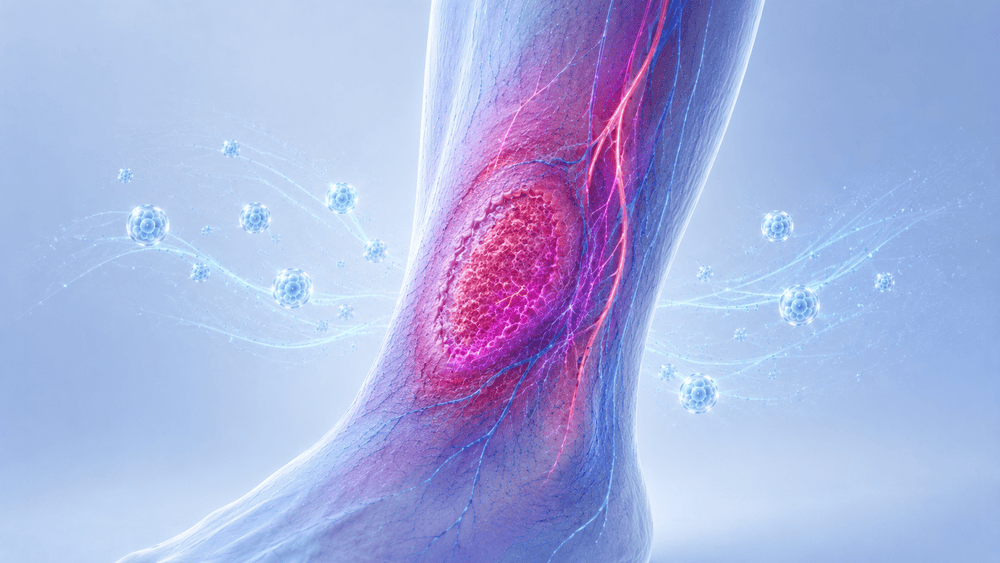
Diabetic Lipoid Necrobiosis Resolved with E-PRP and CGF
A treatment-resistant diabetic lipoid necrobiosis ulcer, unresponsive to six months of standard care, was treated with combined E-PRP and CGF. After two applications, the lesion achieved complete resolution in less than two months.
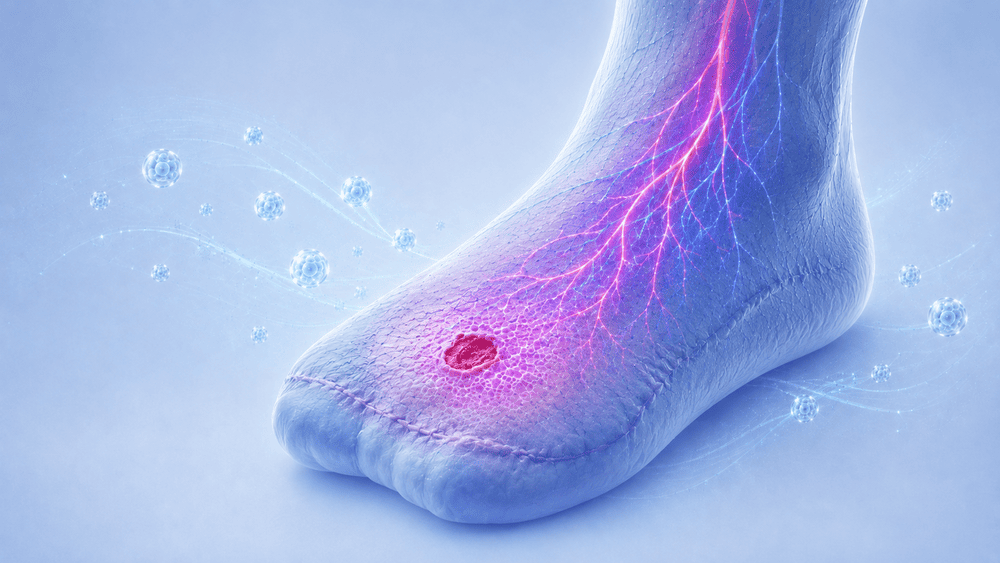
A 20-Year Recurrent Ulcer Finally Resolved with E-PRP
A recurrent ulcer in a post-surgical avascular flap, unstable for over 20 years, was treated with E-PRP to reactivate local angiogenesis and improve tissue perfusion. The lesion resolved and remained recurrence-free more than one year after treatment.